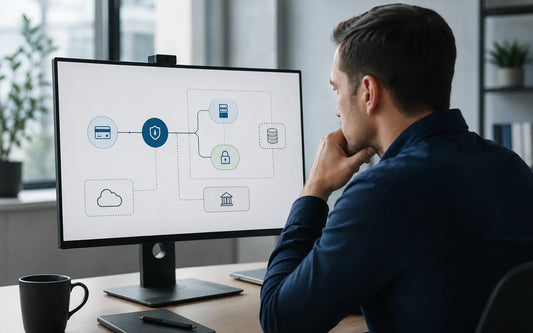
Payment links make billing easier. A customer receives an invoice, clicks a link, confirms the amount, and completes the payment without waiting for a call, printing a form, or sending card details manually. For billing teams, this can shorten collection cycles and reduce friction.
But the same convenience creates a trust problem.
Scammers can copy the format of real billing messages. They can imitate invoice reminders, overdue notices, account alerts, subscription renewals, payment update requests, and support follow-ups. They can add a fake payment link, a spoofed sender name, or a phone number that looks like customer service. To the customer, the message may feel familiar enough to act on.
That is why payment fraud prevention must be part of payment-link strategy. Billing teams need to make legitimate payment requests easy to recognize, easy to verify, and hard for scammers to imitate.
Payment Links Are Convenient, but Trust Is the Real Risk

Payment links are popular because they simplify the payment journey. A billing team can send an invoice payment link by email, SMS, customer portal, or account notification. The customer does not need to call with card details or wait for manual processing. The payment page can be hosted securely, tied to an invoice, and tracked for reconciliation.
That is the operational benefit.
The risk is that customers do not always evaluate the payment system itself. They evaluate the message that delivers the link. If the email, SMS, or invoice reminder looks legitimate, they may click before checking whether the request is real.
Scammers understand this. They do not need to break into a payment platform if they can trick a customer into using a fake one. A fake payment request may use similar wording, similar urgency, a similar invoice layout, and a payment button that looks normal. The scam succeeds when the customer trusts the message more than the source.
The Better Business Bureau warned in 2025 that scammers impersonate legitimate businesses in urgent emails asking for payment information, often using business-like messages to push recipients into clicking links. That pattern is directly relevant to payment link security because legitimate billing teams often use similar digital communication formats.
Secure payment links therefore need more than a secure checkout page. They need a recognizable delivery process. Customers should know what a real payment request from the business looks like, which domain it comes from, what details it includes, and how to verify it before paying.
Payment link best practices should answer one customer question clearly: “How do I know this request is really from you?”
Fake Billing Messages Look Like Normal Business Requests
Invoice phishing works because fake billing messages often look ordinary. They do not always contain obvious spelling errors, strange formatting, or unrealistic promises. Many look like routine business communication.
A fake billing email may say an invoice is overdue. A fake platform alert may say a subscription renewal failed. A fake payment notice may ask the customer to update billing details. A fake account message may warn that service will stop if payment is not made.
These messages often copy the structure of legitimate billing communication: greeting, account reference, amount due, due date, payment button, support contact, and footer. If the customer is busy, worried about service disruption, or expecting an invoice, the message may feel believable.
The FTC’s guidance on recognizing phishing scams specifically notes that phishing messages may claim there is a billing problem and invite the recipient to click a link to update payment details. That is exactly why billing phishing scams are difficult for customers: real companies also send billing updates, payment reminders, and account notices.
The burden cannot sit only on the customer. Billing teams should reduce ambiguity in their own communication. If legitimate invoice reminders use inconsistent wording, unclear sender names, generic payment buttons, and random-looking links, customers become easier to trick.
Secure invoicing practices should make the real message more predictable than the fake one.
Scammers Use Fake Payment Links and Phone Numbers Together

Payment link phishing does not always rely on links alone. Fraudsters often combine channels to create pressure and credibility.
A fake billing message may include a payment button and a phone number. The link may lead to a fake payment page. The phone number may connect to a scammer pretending to be billing support. The email may claim that the customer must pay immediately to avoid a late fee, service cancellation, account suspension, or failed delivery.
This combination matters because some customers try to verify suspicious messages by calling the number shown in the message. If that number is fake, the verification step becomes part of the scam.
The FTC has warned that unexpected emails asking people to act quickly, click a link, or call a number are common phishing tactics. In one consumer alert about urgent PayPal and MetaMask-style emails, the FTC noted that scammers may push recipients to click into a fake website or call the scammer to solve a fake problem.
Billing teams should assume scammers may copy both the payment link and the support path. A secure payment request should not rely on “call the number in this message” as the only verification method. Customers should be encouraged to verify using known channels: the official website, their customer account portal, a saved support number, or a contact method already published by the business.
A fake payment link is dangerous. A fake payment link with a fake phone number is more convincing.
Customers Need a Clear Way to Verify Every Payment Link
Customers should not have to guess whether a payment link is real. Billing teams should give them a simple verification process before they pay.
Good payment request verification starts with consistency. Customers should know which sender address the business uses, which domain hosts payment pages, what invoice details should appear, and where to confirm the request if something feels wrong.

Verification should include practical checks:
-
Does the sender match the company’s normal billing address?
-
Does the invoice number match the customer’s account or order history?
-
Does the amount match the expected transaction?
-
Does the payment link use the company’s recognized payment domain or official portal?
-
Does the message avoid unusual urgency or threats?
-
Does the customer have another trusted way to confirm the request?
The FTC’s 2025 data spotlight on text scams advised people not to use information inside an unexpected message if they think it might be legitimate; instead, they should contact the company using a phone number or website they know is real. Billing teams can turn that consumer-protection advice into a better payment-link workflow by telling customers exactly where verified payment requests can be checked.
This is where Secure Invoicing And Payment Link Practices For Billing Teams fits the operational need. Billing, finance, AR, and customer-facing teams need a consistent way to create payment requests that customers can verify without relying on guesswork.
Verification should not make payment harder. It should make legitimate payment links easier to trust.
Recognizable Payment Domains Reduce Fraud Suspicion
A payment link should look trustworthy before the customer clicks it. That starts with the domain.
Random-looking URLs create hesitation. Generic hosted pages can feel disconnected from the business. Shortened links hide the destination. Inconsistent domains make customers wonder whether the request is real. A payment page that looks different from previous invoices can trigger suspicion, even when the link is legitimate.
Recognizable payment domains reduce that friction. Customers are more likely to trust a payment link when the domain clearly connects to the business, the invoice, the billing platform, or the official customer portal. They are also more likely to spot suspicious requests when fake domains do not match the expected pattern.
This does not mean every business must build its own payment infrastructure. Many companies use billing platforms, payment processors, or hosted checkout pages. The point is that the payment journey should be explained clearly. If customers will be sent to a hosted payment page, billing teams should tell them what domain or portal to expect.
Payment link security improves when the domain strategy is consistent. If one invoice uses a branded portal, another uses a generic short link, another uses a processor-hosted page, and another comes from a different sender address, legitimate billing begins to resemble phishing.
Secure payment request design should help customers recognize the real path before a scammer offers a fake one.
Invoice Amounts and References Must Match Customer Expectations

A secure payment link should not ask the customer to trust a button alone. The payment request should include enough detail for the customer to recognize the transaction before paying.
That means the invoice amount, invoice number, due date, account reference, order number, service period, or customer identifier should match what the customer expects. If a payment request arrives with a vague amount, unclear reference, or missing invoice details, the customer has less context for deciding whether the request is real.
Scammers take advantage of that uncertainty. A fake payment request may use a believable amount, a generic invoice number, or a vague billing message that feels urgent but does not clearly connect to a known purchase. If the customer cannot compare the payment request against a real invoice or account record, the scam has more room to work.
The FBI’s guidance on business email compromise explains that these scams often involve fraudsters directing victims to send money to accounts controlled by criminals. For billing teams, the lesson is direct: payment requests should include enough verified context to help customers avoid paying the wrong party.
Invoice payment link security improves when the payment page and message tell the same story. The amount should match the invoice. The reference should match the customer’s account. The due date should match the billing cycle. The company name should match the expected relationship. The payment method should match what the customer normally uses.
Clear references do not eliminate fraud, but they reduce ambiguity. And ambiguity is exactly what payment scammers exploit.
Short Links and Inconsistent Senders Make Real Billing Look Fake
Billing teams can accidentally train customers to trust suspicious behavior.
A legitimate invoice may come from one sender name this month and another sender name next month. A payment link may use a branded domain once, a generic payment processor domain another time, and a short link in a later reminder. An SMS may come from an unclear sender. A billing email may use a different reply-to address than the company’s normal domain.
That inconsistency makes real billing look fake.
Short links are especially risky in payment communication because they hide the destination. They may be useful in marketing campaigns, but they are weak trust signals for payment requests. When customers cannot see where a payment link leads, they have less ability to verify the request before clicking.
Billing email security also matters. Sender consistency, domain alignment, and email authentication help customers and email systems distinguish legitimate billing communication from impersonation attempts. CISA’s guidance on enhancing email and web security explains controls such as SPF, DKIM, and DMARC, which help reduce spoofed email risk.
Billing teams do not need to manage every technical email setting themselves, but they should understand the operational impact. If a company sends payment links from poorly controlled domains, inconsistent addresses, or confusing platforms, customers may struggle to separate real requests from billing phishing scams.
Secure invoicing practices should create predictable patterns. The sender should be consistent. The domain should be recognizable. The payment page should look expected. The message should avoid unnecessary urgency. The link should not be hidden behind a generic shortener.
A legitimate payment request should not look like something the security team would warn customers to avoid.
Payment Link Audit Trails Protect Finance and Reconciliation

A payment link should not disappear into the billing workflow without a record. Finance and billing teams need audit trails that show how the request was created, sent, received, followed up, and paid.
A strong payment link audit trail should answer practical questions. Who created the link? Which invoice was it tied to? What amount was requested? When was it sent? Which customer received it? Was it sent by email, SMS, portal, or another approved channel? Was the link opened? Was the payment completed? Was the link canceled, expired, resent, or changed? Was there any customer dispute?
These records support more than fraud prevention. They help with reconciliation, customer service, dispute handling, collections follow-up, internal approvals, and investigation when something goes wrong.
NIST defines an audit trail as a record showing who accessed an IT system and what operations the user performed during a given period. That concept applies well to billing workflows. Payment links should not be anonymous actions. They should leave a clear record of user activity and transaction context.
Without an audit trail, finance teams may struggle to prove whether a payment link was legitimate, who sent it, whether the amount was correct, or whether a customer paid through the approved process. That creates reconciliation problems and weakens fraud investigation.
Audit trails also protect the billing team. If a customer reports a suspicious payment request, finance can compare the message against legitimate link records. If a payment was misdirected, the team can check whether the request came from the billing platform or from a fake message. If a dispute arises, the organization can review the timeline instead of relying on memory.
Payment link security is stronger when every payment request can be traced.
Training Helps Billing Teams Send Payment Links Customers Can Trust
Payment fraud prevention depends on billing behavior as much as technology. The payment platform may be secure, but the billing team still controls how payment requests are written, sent, verified, followed up, and documented.
Training should help billing teams understand what makes a payment link trustworthy. Staff should know why sender consistency matters, why short links can create suspicion, why invoice references should match customer expectations, why payment links need audit trails, and why customers should have a clear way to verify suspicious requests.
Training should also cover what not to do. Billing teams should not pressure customers with vague threats. They should not send payment links from inconsistent accounts. They should not ask customers to verify payment through phone numbers included only in the suspicious message. They should not create manual payment requests outside approved systems. They should not resend links without documenting the reason.
Secure Invoicing And Payment Link Practices For Billing Teams gives finance, billing, AR, and customer-facing teams a structured way to understand secure payment request design, payment link verification, invoice phishing risk, audit trails, and customer trust signals.
The best payment link is not only technically secure. It is recognizable, verifiable, traceable, and consistent enough that customers can trust it without guessing.
Conclusion
Payment links help billing teams collect faster, but scammers copy the same convenience. They imitate invoice reminders, overdue notices, account alerts, renewal messages, payment buttons, and support phone numbers because customers are used to receiving payment requests digitally.
That is why payment fraud prevention must be built into the billing workflow.
Secure payment links should come from recognizable senders and domains. They should include invoice references, exact amounts, due dates, account details, or order identifiers that match the customer’s expectations. They should avoid vague urgency, generic short links, and inconsistent payment pages. Customers should have a trusted way to verify every request before paying.
Billing teams also need audit trails. Finance should be able to show who created the payment link, when it was sent, which invoice it matched, who received it, and what happened next. That record protects reconciliation, dispute handling, fraud investigation, and customer trust.
Scammers win when legitimate billing looks unpredictable. Billing teams reduce that risk by making real payment requests consistent, verifiable, and difficult to imitate.
FAQs
Why Are Payment Links a Fraud Risk?
Payment links are a fraud risk because scammers can copy the format of real billing messages and send fake links that look like ordinary invoice reminders, account notices, or payment requests.
What Is Payment Link Phishing?
Payment link phishing is a scam where fraudsters send a fake payment request that directs the customer to a fraudulent payment page or unsafe action.
How Can Customers Verify Payment Links Before Paying?
Customers should check the sender, invoice number, payment amount, due date, company domain, official customer portal, and known contact channels before paying.
Why Should Billing Teams Avoid Short Links?
Short links hide the destination and make it harder for customers to verify where a payment request leads. For payment requests, recognizable domains are usually stronger trust signals.
What Details Should a Secure Invoice Payment Link Include?
A secure invoice payment link should include clear invoice references, exact amount, due date, account or order identifier where appropriate, and a recognizable payment destination.
How Do Inconsistent Senders Increase Billing Phishing Risk?
Inconsistent sender names, email addresses, SMS senders, and payment domains make legitimate billing messages look suspicious and make fake messages harder for customers to identify.
What Is a Payment Link Audit Trail?
A payment link audit trail is a record showing who created the link, when it was sent, who received it, what invoice and amount it referenced, payment status, and related customer communication.
How Can Billing Teams Reduce Fake Payment Request Risk?
Billing teams can reduce risk by using consistent senders, recognizable payment domains, clear invoice details, approved payment platforms, audit trails, and customer verification instructions.
Why Is Billing Team Training Important for Payment Fraud Prevention?
Training helps billing teams create payment requests that are secure, consistent, verifiable, and traceable, reducing the chance that customers confuse real payment links with scams.